

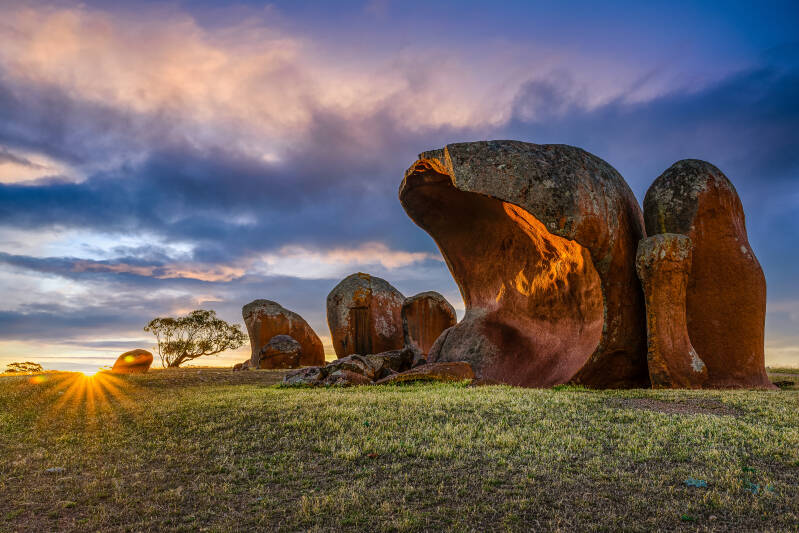
If you have been thinking about getting into photography, the good news is that you do not need loads of expensive gear or years of experience to start. Photography can be as simple as noticing good light, taking your phone or camera out for a walk, and having a go. The more you practice, the more you begin to see interesting little moments everywhere.
Photography is about capturing moments and memories. Sometimes you take a photo to remember a place, sometimes to tell a story, and sometimes simply because something catches your eye. The reward is not only the finished image; it is also the process of slowing down, looking more closely, and discovering beauty in ordinary scenes.
As a hobby, photography can also be as relaxed or as challenging as you want it to be. You might enjoy quick phone snapshots on a walk, carefully planned landscape shoots at sunrise, creative portraits, or close-up details in your garden. The more you practice, the more you begin to develop your own visual style.
Best Camera Gear for Beginner Photography
You can begin with almost any camera. A smartphone is convenient, light, and excellent for everyday photography. A DSLR camera gives you strong image quality, interchangeable lenses, and manual control. A mirrorless camera offers many of the same creative controls in a smaller, lighter body. The best camera is the one you are comfortable carrying and using often.
A tripod is useful when you want sharper photos in low light, smoother compositions, or long-exposure effects such as blurred water or night skies. It also encourages you to slow down and think carefully about framing.
Keep a spare SD card and a charged battery with you if you are using a camera. Running out of storage or power can end a creative session just when the light becomes interesting.

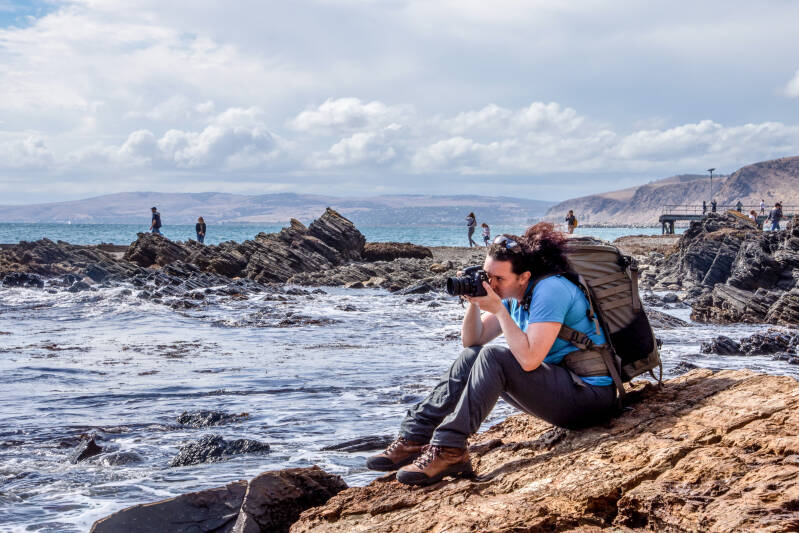
Popular Photography Genres to Try as a Beginner
Trying different genres is one of the best ways to discover what you enjoy. Landscape and seascape photography help you practice light, weather, and composition. Portrait photography focuses on people, expression, and connection. Street photography trains you to notice moments as they unfold. Macro photography reveals small details, patterns, and textures. Astro photography challenges you to work with low light, patience, and planning.
Starting photography as a hobby is one of the most rewarding ways to become more creative, observant, and confident behind the camera. This beginner photography guide will help you choose simple camera gear, understand basic composition and exposure, use natural light more effectively, and practise with creative photo challenges. You do not need expensive equipment to begin; you only need curiosity, patience, and a willingness to practice.

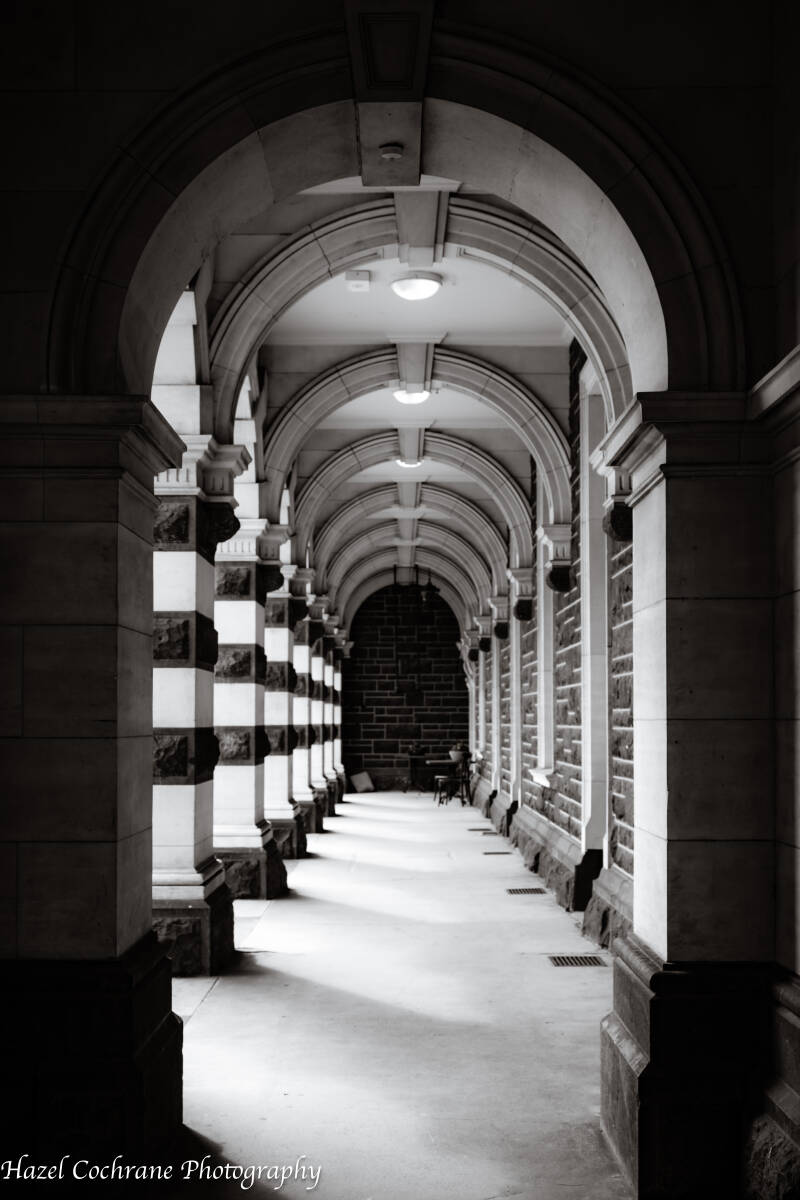

A varied collection of photography genres, from close-up macro details and sweeping landscapes to bold architecture, repeating patterns, strong leading lines, and atmospheric night photography, showing how different subjects and techniques can inspire creativity behind the camera.
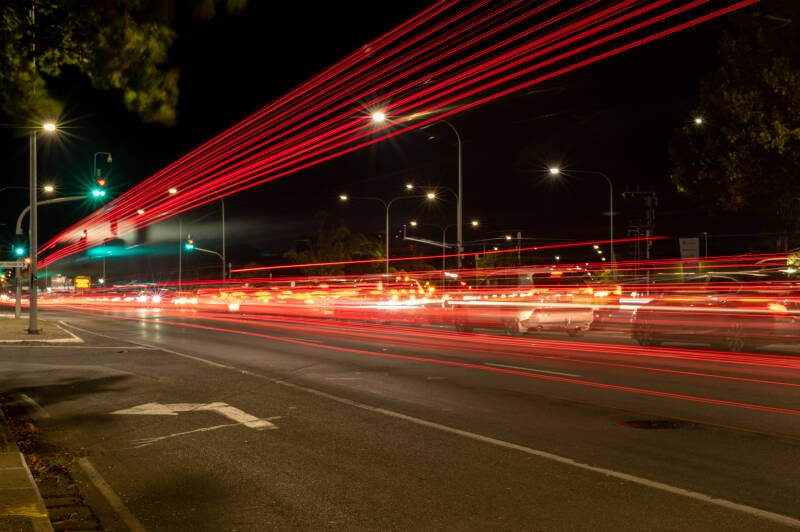


Essential Photography Tips for Beginners
Composition is the way you arrange the elements inside your frame. Beginners can get strong results by using leading lines, the rule of thirds, framing, symmetry, and negative space. These simple tools help guide the viewer’s eye and make an image feel intentional.
- Place your main subject slightly off-centre, using the rule of thirds to create a more natural and balanced image.
- Keep horizons straight and avoid placing them exactly in the middle unless you want a very symmetrical look.
- Use leading lines, such as paths, fences, roads, or shorelines, to guide the viewer’s eye through the photo.
- Check the edges of your frame before taking the shot so distracting objects do not take attention away from your subject.
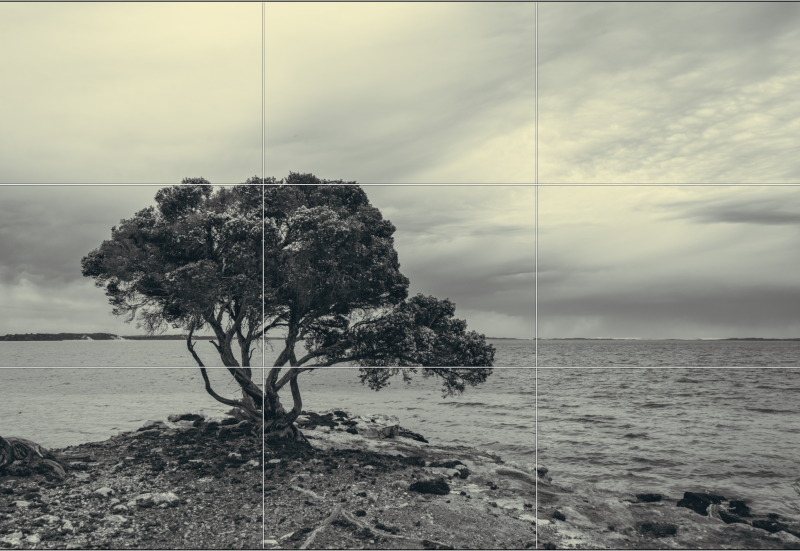


Above: Basic composition options can make a photograph stronger and more engaging. Leading lines, such as paths, roads, fences, or shorelines, draw the viewer’s eye into the image, while the rule of thirds helps place the main subject off-centre for a more balanced and natural-looking composition.
Exposure controls how bright or dark your photo appears. On automatic mode, the camera makes these decisions for you, which is useful while you are learning. As you grow more confident, experiment with the exposure triangle: aperture, shutter speed, and ISO. Aperture affects depth of field, shutter speed freezes or blurs movement, and ISO controls light sensitivity.
Light is one of the most important parts of photography. Natural light changes throughout the day, and the soft, warm light around sunrise and sunset—often called golden hour—can make ordinary scenes look more atmospheric. Overcast days can also be excellent because the clouds soften harsh shadows.
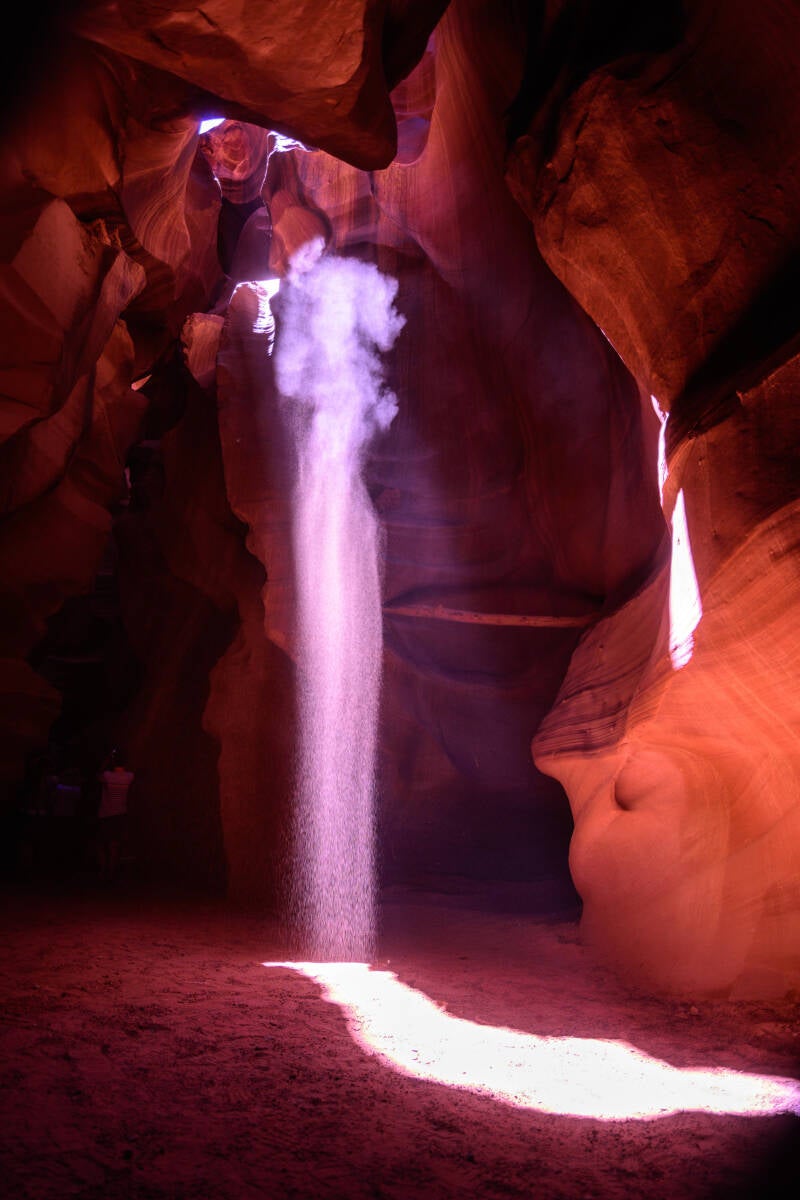
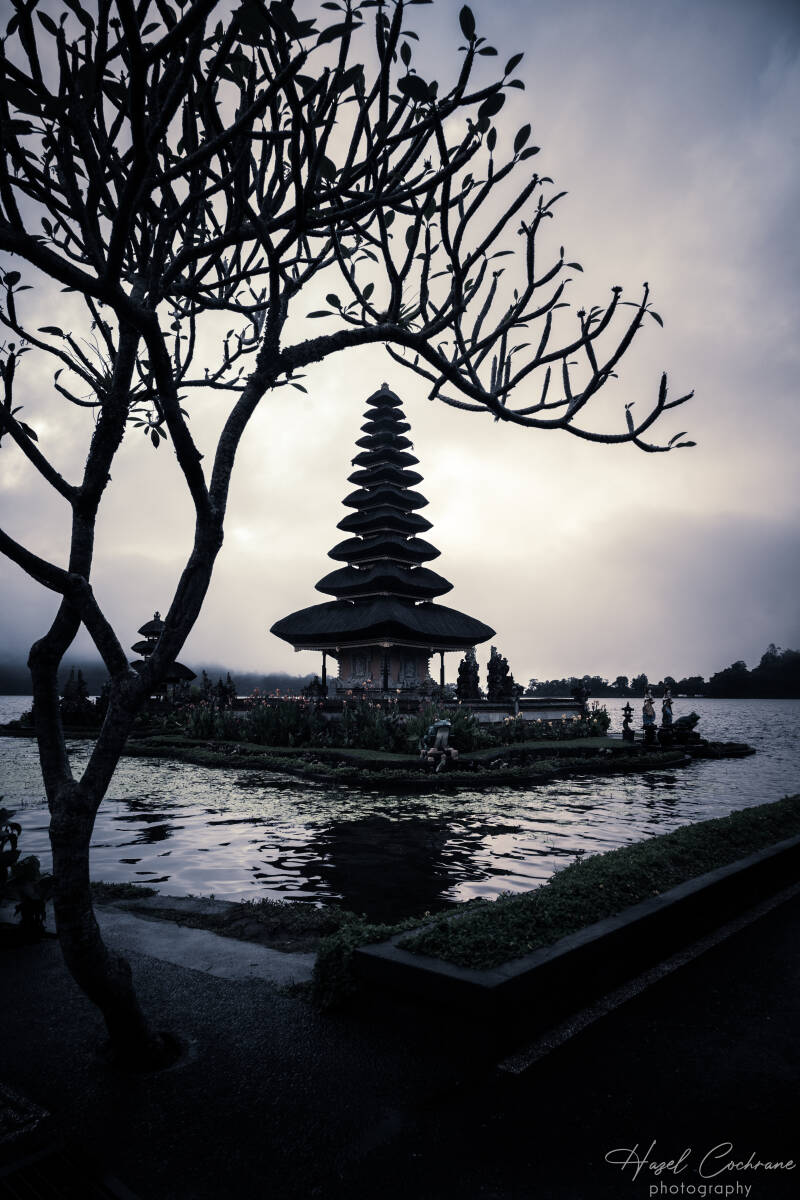
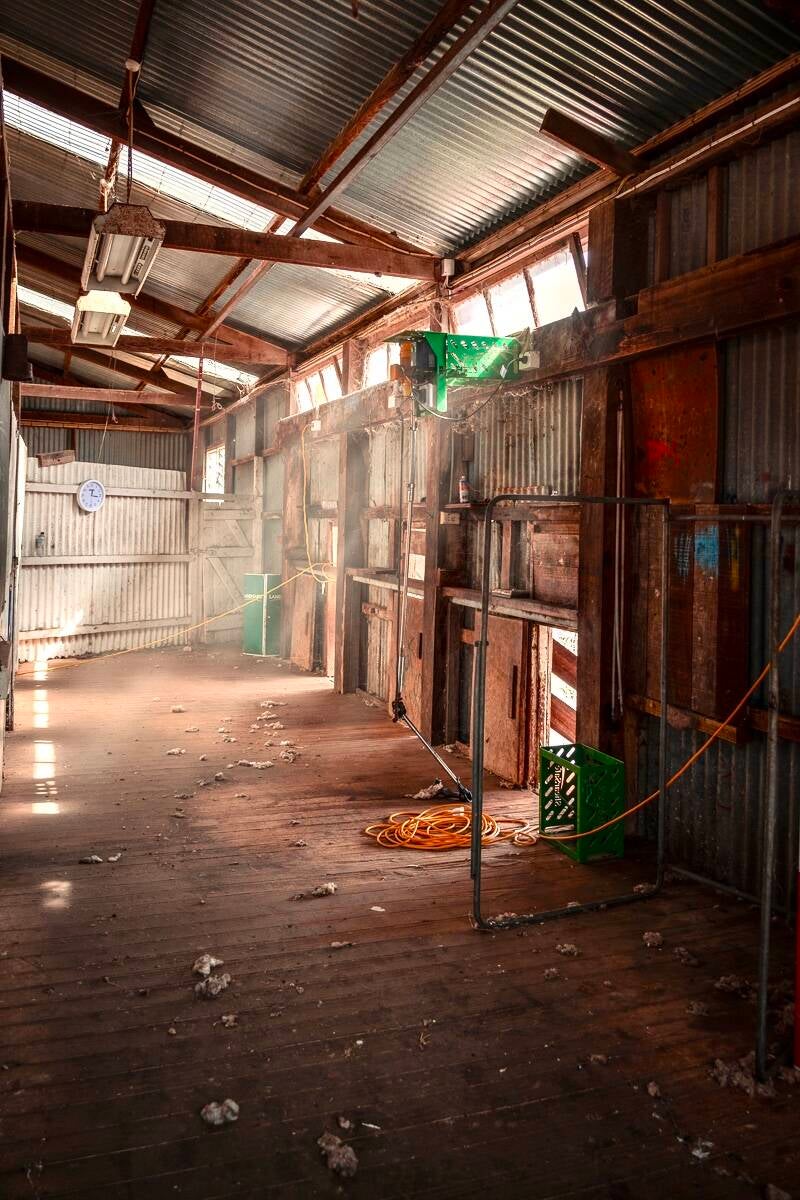
Above: Light and exposure can dramatically change the mood of a photograph. Light beams create direction and atmosphere, while silhouettes use strong backlighting to simplify the subject into shape and outline, demonstrating how brightness, shadow, and contrast work together to create impact.
Patience matters. Sometimes the best photo appears after you wait for the right light, a person to enter the frame, a bird to move, or a wave to break. Slowing down often leads to stronger images.
Your creative eye develops through noticing details: light, shadows, textures, reflections, colour, lines, and shapes. The more you look, the more possibilities you find.
Quick Beginner Photography Tips
- Start with the camera you already own, including your smartphone.
- Practise composition by using leading lines, symmetry, and the rule of thirds.
- Shoot during golden hour for softer, warmer natural light.
- Take multiple photos from different angles before moving on.
- Review your images after each session and note what worked well.
- Edit lightly to enhance colour, contrast, and exposure without over-processing.
Beginner Photography Challenges to Improve Your Skills
- Take one photo every day for a week or a month.
- Limit yourself to one lens, one setting, or one technique.
- Photograph the same subject from different perspectives: high, low, seated, or from ground level.
- Choose one colour and photograph only that colour for a week.
- Tell a story in five images.
- Recreate a famous photograph as a learning exercise.
- Fill the frame so your subject becomes bold and clear.
Challenges are useful because they give you focus. When you place limits on what you can shoot, you often become more creative with what is available.
Photo Editing Tips for Beginners
Editing can help bring out the best in a good photo. Programs such as Lightroom are useful for making thoughtful adjustments, but the goal is not to fix every mistake later. Aim to capture a strong image first, then edit to refine it.
- Remove distractions, such as a bin, a bright object, or clutter near the edge of the frame.
- Crop to strengthen the composition and remove anything unnecessary.
- Adjust light by balancing shadows, highlights, and overall exposure.
- Refine colour, brightness, and contrast so the image matches the feeling you want to create.
Final Thoughts: Start Your Photography Hobby Today
Photography is not just about cameras, settings, or editing software. It is about learning to observe. Start with the gear you already have, practise the fundamentals, challenge yourself regularly, and pay attention to light. If you want to improve as a beginner photographer, choose one simple exercise from the challenges in this guide and try it this week. Over time, you will not only take better photographs—you will also see the world with a more curious and creative eye.
Ready to Learn Photography with Personal Tuition?
If you would like friendly, practical guidance to build your photography skills, contact me to enquire about one-to-one photography tuition. Whether you are just starting out, learning how to use your camera, or wanting to improve your composition, lighting, and editing, personalised tuition can help you gain confidence and enjoy photography even more.
Email: info@hazelcochranephotography.com.au
Website: Hazelcochranephotography.com
Ready to improve your photography? Contact me to book a one-to-one or small group tuition session.
Add comment
Comments